
Maximize Your Gains: Post-Workout Nutrition Essentials
Discover the science-backed nutrition strategies that accelerate recovery, build muscle, and optimize your athletic performance. Nutristrength guides you through every step of your post-workout nutrition journey.
The information on this site is for educational purposes only and does not constitute medical advice. Always consult a qualified healthcare professional before making health decisions.
Recovery Impact by Numbers
Minutes for Optimal Window
The critical post-workout period when your muscles absorb nutrients most efficiently
Faster Recovery
Potential improvement in muscle recovery speed with proper post-workout nutrition
Minimum Protein
Essential amino acid intake recommended immediately after intense training
Carb-to-Protein Ratio
Optimal macronutrient balance for muscle glycogen replenishment and protein synthesis
Why the First 30 Minutes Matter
Your body enters an anabolic state immediately after exercise. During this critical window, your muscles are primed to absorb nutrients and initiate protein synthesis. Missing this opportunity means delaying recovery and limiting gains.
-
Muscle Protein Synthesis
Your muscles actively rebuild and repair tissue, requiring amino acids for optimal growth
-
Glycogen Restoration
Depleted energy stores refill fastest when you provide fast-digesting carbohydrates immediately post-workout
-
Reduced Muscle Breakdown
Protein intake interrupts catabolic processes, preserving hard-earned muscle tissue
-
Hormonal Support
Proper nutrition optimizes anabolic hormone levels, enhancing adaptation and performance gains
Top Post-Workout Nutrition Categories
Protein Supplements
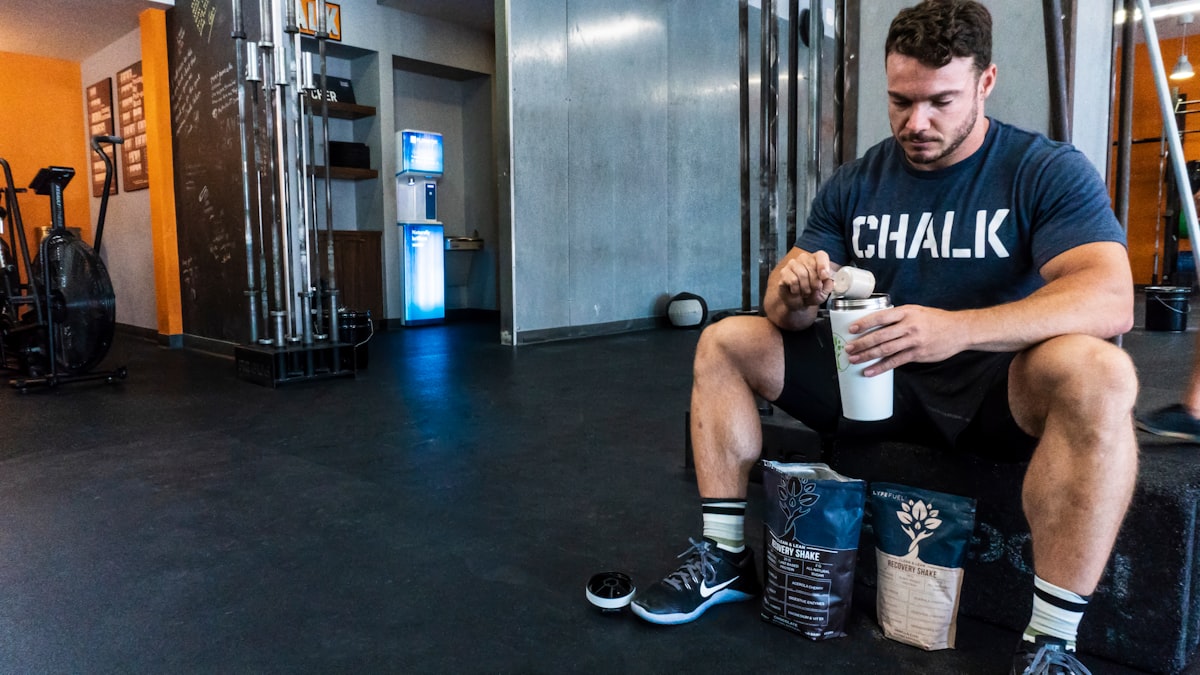
Whey protein isolate, casein, and plant-based options deliver concentrated amino acids for rapid muscle recovery. Essential for meeting post-workout protein requirements without excess calories.
Learn moreCarbohydrate Sources
Bananas, rice, sweet potatoes, and sports drinks replenish depleted glycogen stores. Fast-digesting carbs paired with protein maximize nutrient absorption and energy restoration.
Learn moreMicronutrients & Minerals
Electrolytes, magnesium, zinc, and vitamins support muscle function and immune recovery. Whole foods and supplementation together create a comprehensive recovery foundation.
Learn moreHydration Strategies
Rehydration replaces fluid lost through sweat and optimizes nutrient delivery. Electrolyte balance ensures proper muscle function and continued adaptation signaling throughout recovery.
Learn moreAmino Acid Formulas
BCAAs and EAAs target muscle protein synthesis directly. Specialized formulations accelerate recovery between sessions and support consistent athletic progression and strength gains.
Learn moreWhole Food Options
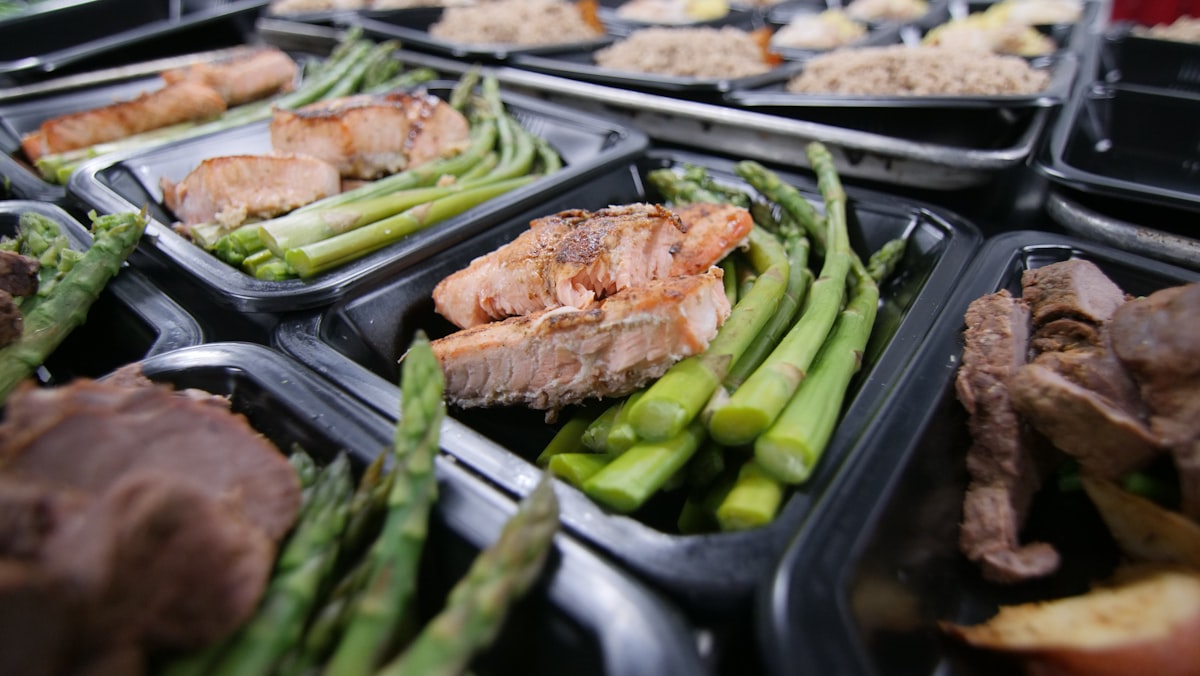
Eggs, chicken, fish, and whole grains provide complete nutrients with superior micronutrient profiles. Real food delivers phytonutrients and fiber supporting long-term health and performance.
Learn moreYour 5-Step Recovery Protocol
Rehydrate Immediately (0-5 Minutes)
Begin drinking water or an electrolyte beverage right after your workout ends. Aim for 500-750ml in the first 5 minutes to begin replacing fluids lost through perspiration. This kickstarts the recovery process and prepares your body for nutrient absorption.
Consume Fast-Digesting Carbs (5-15 Minutes)
Eat simple carbohydrates with a high glycemic index such as a banana, white rice, or sports drink. Target 0.8-1.2g of carbs per kilogram of body weight. This rapidly restores muscle glycogen depleted during exercise and prevents energy crashes.
Add Protein (10-30 Minutes)
Consume 20-40g of high-quality protein from whey, chicken, fish, or plant sources. Protein provides essential amino acids needed to stop muscle breakdown and initiate synthesis. Pair it with your carbohydrate source for maximum nutrient utilization and satiety.
Include Micronutrients (30-60 Minutes)
Eat a balanced meal with vegetables, fruits, and whole grains to supply vitamins, minerals, and antioxidants. These micronutrients support inflammation management, immune function, and hormonal balance during the broader recovery window extending hours after exercise.
Continue Hydration (1-4 Hours Post-Workout)
Drink water consistently throughout the extended recovery period. Aim for total fluid intake equal to 150% of weight lost during exercise, consumed gradually. Sustained hydration maintains nutrient transport, supports hormone regulation, and ensures peak adaptation to training stimulus.
Real Results from Real Athletes
Athletes and fitness enthusiasts across Indonesia share how proper post-workout nutrition transformed their recovery, strength gains, and athletic performance.
"I struggled with soreness and slow recovery after intense training sessions. After implementing the Nutristrength post-workout protocol with proper protein and carbs within 30 minutes, my soreness decreased dramatically. I'm lifting heavier weights and feeling stronger than ever. The guidance has been invaluable for my competition prep."
Rahmad Wijaya
Jakarta
"As an endurance athlete, I never paid attention to nutrition timing. The Nutristrength nutrition guide showed me exactly what to eat and when. Now I recover between runs in half the time and my energy levels are consistently high. The science-backed approach is refreshing—no guesswork, just results."
Budi Santoso
Surabaya
"I was skeptical about changing my nutrition routine, but the detailed articles on Nutristrength explained the 'why' behind every recommendation. Within three weeks of following their post-workout protocol, I gained visible muscle mass and my strength jumped by 15%. This is legitimate, science-based information that actually works."
Arjun Pratama
Bandung
Common Questions About Post-Workout Nutrition
The optimal post-workout macronutrient ratio is approximately 3:1 (carbohydrates to protein), though this can vary based on individual goals and training type. A general guideline is 0.8-1.2g of carbs per kilogram of body weight paired with 0.25-0.4g of protein per kilogram. For example, an 80kg athlete might consume 64-96g of carbs with 20-32g of protein. This ratio maximizes glycogen replenishment and protein synthesis while promoting nutrient absorption.
The 30-minute window is real, though perhaps not as strict as once believed. Research shows muscle protein synthesis is elevated for up to 48 hours post-workout, but nutrient intake within the first 1-2 hours produces the most significant effects on immediate recovery. While consuming nutrients beyond 30 minutes still supports adaptation, eating within this window maximizes the acute anabolic response. This is why immediate post-workout nutrition is recommended—it takes advantage of peak nutrient sensitivity when muscles are primed to absorb and utilize amino acids and carbohydrates.
Absolutely. Whole foods like eggs, chicken, rice, sweet potatoes, and fruits are excellent post-workout options and provide superior micronutrient profiles compared to supplements alone. Supplements are convenient for immediate post-workout use when a solid meal isn't practical, but whole food should form the foundation of your nutrition strategy. Many athletes combine a quick protein shake immediately post-workout (within 5-15 minutes) with a complete meal 30-60 minutes later containing whole food sources, combining the benefits of both approaches.
A practical guideline is to drink 150% of the body weight lost during exercise, consumed gradually over 4 hours post-workout. For example, if you lost significant weight (roughly 1 liter) during training, drink 1.5 liters over the following 4 hours. Include electrolytes (sodium, potassium) to enhance absorption and maintain cellular function. Start immediately with 500-750ml in the first 5 minutes, then continue drinking smaller amounts throughout the recovery window. Individual needs vary based on sweat rate, environmental conditions, and exercise intensity.
Yes, it varies by training modality. Strength training prioritizes protein intake (higher end of 0.25-0.4g per kg) to support muscle protein synthesis and repair. Endurance training emphasizes carbohydrates (higher end of 0.8-1.2g per kg) to restore depleted glycogen stores. High-intensity interval training benefits from a balanced approach with both adequate protein and carbs. Sport-specific considerations include hydration needs (endurance athletes need more), training duration (longer sessions require more total calories), and frequency (more sessions may require larger post-workout meals to meet weekly nutritional demands).
Post-workout nutrition applies only on days you complete structured training sessions. On complete rest days when no exercise occurs, follow your normal daily nutrition plan without the need for immediate post-workout nutrient timing. However, on active recovery days with light activity (walking, stretching, mobility work), some athletes benefit from a small post-activity snack if the session was moderately demanding. The key principle is that post-workout nutrition addresses the specific metabolic demands created by exercise—if significant exercise didn't occur, the acute anabolic window doesn't exist.
Start Your Nutrition Transformation Today
Nutristrength provides science-backed nutrition guidance designed specifically for post-workout recovery and athletic performance. Explore our comprehensive articles, nutrition guides, and expert insights to optimize your training results.
Questions about our content or recommendations?
Contact us at [email protected]